
Non-Surgical

Spinal Decompression

Non-Surgical Spinal Decompression Therapy for

Neck Pain, Back Pain, & Sciatica

Find Relief from Chronic Pain Without Surgery

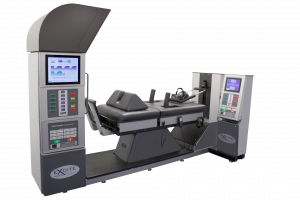
Picture of decompression table.

Oregon Spine and Disc provides advanced, FDA-cleared Spinal Decompression Therapy designed to help patients suffering from neck and back pain, sciatica, and disc-related conditions. Non-surgical treatment uses cutting-edge decompression technology to gently stretch the spine, reduce pressure on damaged discs and nerves, and support the body’s natural healing process.


Spinal Decompression Therapy may help relieve pain caused by:

  • Herniated Discs
  • Bulging Discs
  • Pinched Nerves
  • Sciatica and Leg Pain
  • Degenerative Disc Disease (DDD)
  • Spinal Stenosis
  • Chronic Low Back Pain
  • Post-Surgical Back Pain

For years, patients with serious disc injuries were often limited to pain medications, rest, physical therapy, injections, or surgery. While chiropractic care and conservative treatment can provide significant relief, some patients continued searching for another option.


Today, there is a proven non-surgical solution.


Spinal Decompression Therapy was developed by medical professionals and engineers to target the underlying causes of many disc-related back conditions. By creating gentle decompression within the spine, this therapy can help reduce pressure on spinal discs and nerves, improve mobility, and decrease pain.


Many patients experience:

  • Reduced low back and leg pain
  • Improved flexibility and mobility
  • Better function and daily comfort
  • Increased ability to stay active
  • Relief without surgery or medication dependence

If you are struggling with chronic low back pain, sciatica, disc injuries, or nerve pain, Spinal Decompression Therapy may help you return to a more active, comfortable lifestyle.
  • Does Research Support Non-Surgical Spinal Decompression Therapy?

    Clinical Studies on DRX9000® and Non-Surgical Spinal Decompression


    Research continues to support that NSSD is an effective treatment for chronic low back pain, sciatica, herniated discs, and degenerative disc conditions.


    An IRB-approved, prospective, multi-center Phase II pilot study evaluating the DRX9000® spinal decompression system reported significant improvements in patients suffering from chronic lower back pain. The study, presented at the annual meeting of the New York State Society of Anesthesiologists, included patients who had experienced chronic back pain for an average of 10 years.


    The study, authored by Dr. John Leslie and associated with the Mayo Clinic, demonstrated:

    • 50% reduction in pain scores after only two weeks of treatment
    • 88.9% documented success rate after completing the six-week treatment protocol
    • Significant improvements in pain, mobility, and daily function
    • Positive outcomes without surgery or invasive procedures

    More recent published research has continued to strengthen the evidence supporting non-surgical spinal decompression therapy (NSSD). A 2025 retrospective multi-clinic study involving 267 patients with chronic low back pain found substantial improvements in pain levels, neurological function, and activities of daily living following spinal decompression treatment.


    Key findings from the 2025 study included:

    • 90.5% of patients reported reduced pain following treatment
    • Average pain scores improved from 6.9 to 2.5
    • 74.8% improvement in muscle weakness (myotome findings)
    • 77.6% improvement in nerve sensation deficits (dermatome findings)
    • Significant improvements in walking, sitting, standing, dressing, household activities, and overall daily function

    Researchers concluded that non-surgical spinal decompression may provide an effective conservative treatment option for patients with:


    • Herniated Discs
    • Bulging Discs
    • Sciatica
    • Degenerative Disc Disease
    • Pinched Nerves
    • Chronic Low Back Pain
    • Lumbar Radiculopathy
    • Spinal Stenosis

    The study also noted that spinal decompression therapy may help patients avoid more invasive treatments such as injections, long-term pain medication use, or spinal surgery.


    Our goal is to provide evidence-based, non-surgical solutions that help patients reduce pain, restore mobility, and return to a more active lifestyle naturally and safely.


  • How Non-Surgical Spinal Decompression (NSSD) Works to Relieve Chronic Back Pain

    Non-Surgical Spinal Decompression (NSSD) utilizes state-of-the-art technology to apply a targeted distraction force, which is essential for relieving nerve compression associated with chronic low back pain and sciatica


    Unlike linear traction, NSSD slowly and gently lengthens the spine, creating negative pressures within the damaged discs. This controlled reversal of pressure generates an intradiscal vacuum. This vacuum helps to gently reposition bulging discs and draw extruded disc material back into place, effectively taking pressure off pinched nerves. 


    Spinal experts agree that this process promotes a revitalized healing environment by drawing in vital nutrients, oxygen, and fluids into the disc structure.

  • What to Expect During Your Non-Surgical Spinal Decompression (NSSD) Treatment Sessions

    At Oregon Spine and Disc  in Hillsboro, your NSSD treatment is designed to be safe and comfortable.

    • Customized Comfort: You will be comfortably fitted with a specialized harness to target decompression for either the lower back (lumbar) or neck (cervical) spine.
    • Gentle and Controlled Therapy: The treatment involves a slow, gentle lengthening of your spine, gradually decompressing the discs and relieving pressure on pinched nerves and sciatic nerves. The overall process is safe and relaxing.
    • Safety Assurance: A patient safety switch is provided, giving you complete control to stop the session at any time if you feel discomfort.
    • Session Length: Each treatment session lasts approximately 30 minutes.
    • Managing Discomfort: While the process is generally relaxing, patients with severely injured discs may report mild discomfort during the first few sessions; this typically subsides as treatment progresses. Individual patient results may vary.
  • Non-Surgical Spinal Decompression (NSSD) Treatment Protocol: How Long Does Relief Take?

    A typical Non-Surgical Spinal Decompression (NSSD) treatment protocol consists of 20 to 24 sessions performed over eight to twelve weeks. The exact treatment schedule is personalized for each patient based on their specific condition, which means some may require fewer or more visits. Many patients at Oregon Spine and Disc report initial pain relief and improvement in symptoms during the first few treatment sessions. The most dramatic and sustained pain relief is typically experienced after the patient completes their full prescribed treatment program, helping them achieve long-term relief from chronic back or neck pain.

  • Non-Surgical Spinal Decompression (NSSD) vs. Traditional Traction: Understanding the Difference for Superior Pain Relief

    It is crucial for patients seeking true relief from chronic back pain to understand the key difference between Non-Surgical Spinal Decompression (NSSD) and standard traction. While treatments like physical therapy, manipulation, and traction may reduce disc pressures to around 40 mm Hg, only NSSD technology can achieve significant negative pressures within the injured disc.

    • Negative Intradiscal Pressure: Clinically proven NSSD, utilizing high-quality spinal decompression tables, creates negative pressures as low as -110 mm Hg within the injured disc during treatment. This vacuum effect is essential for reducing pressure on pinched nerves and promoting healing.
    • Bypassing the Proprioceptor Response: Standard traction often triggers the "proprioceptor response"—a natural reflex where surrounding muscles tighten to protect the spine. NSSD technology bypasses this muscle contraction by applying slow, gentle, and sustained forces over an extended period. This allows for effective decompression and repositioning of the spine without creating tension or setting off the muscles' protective "lockdown" reflex.
    • Importance of Quality Equipment: To ensure optimal results and the scientific mechanism of negative pressure is achieved, it is vital to be treated on a high-quality spinal decompression table, not a generic imitation or basic traction device.

Real Patient Testimonials

quotesArtboard 1 copy 2

I was in excruciating pain for two years. I went to a “Pain Management Doctor” who wanted to give me steroid shots. The idea of shots into my spine made me very nervous. I ended up having three steroid shots in my back which didn’t help. Then I saw an ad in the newspaper for spinal decompression.... After my complementary consultation the doctor recommended spinal decompression on the DRX9000. I got relief after one week of treatment. It gets better every time. I am now able to do the things that I have missed over the last 2 years. It works, it helped me. 

~ Lois S.

quotesArtboard 1 copy 2

I came... when I was at the end of my rope. I have had physical therapy, epidurals and cortisone shots for neck and shoulder pain in the past, but the pain always came back, along with daily headaches. X-rays showed that I had Degenerative Disc Disorder, bulging discs and stenosis in my neck. Not wanting surgery, I explored other options.... After just a few Spinal Decompression treatments, I felt much better. After 17 sessions, I feel like a new person!
~ Mardy S.